
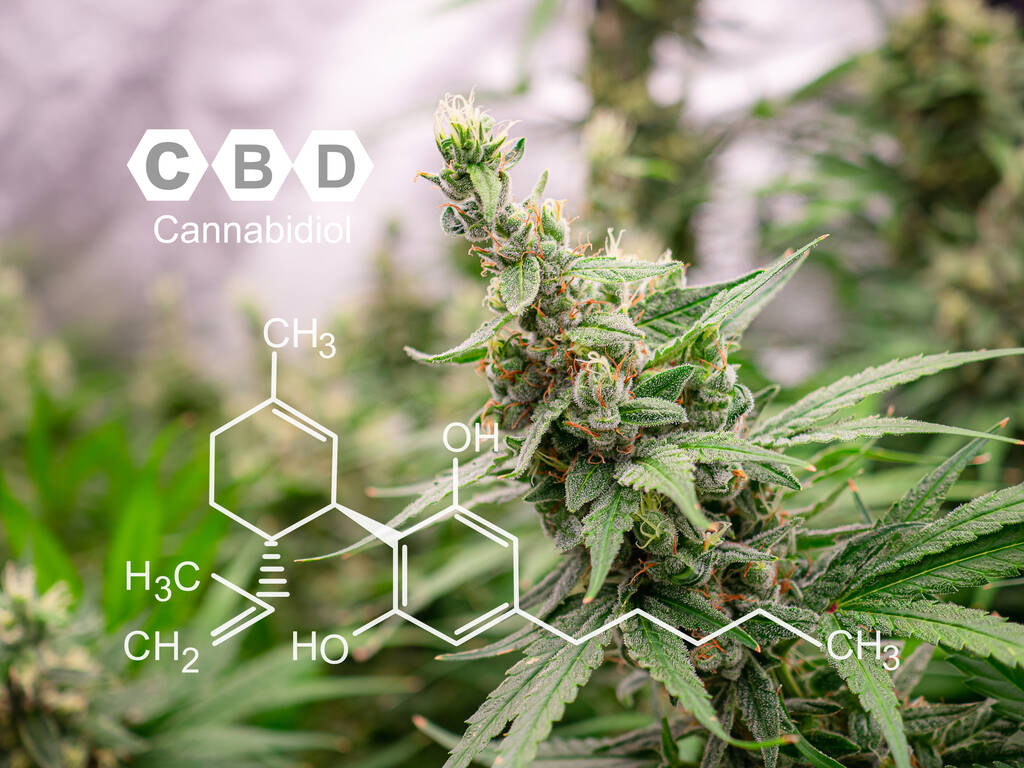
A recent review in the journal Current Opinion in Toxicology by scientists from Gazi University suggests that cannabidiol (CBD) might help reduce the delayed “second phase” of damage that often occurs after a traumatic brain injury (TBI).
The researchers note that the first wave of injury is caused by the physical impact itself, but additional harm can continue spreading through the brain over the following hours and days. This secondary phase is fueled by mechanisms like excessive glutamate activity, inflammatory responses, and metabolic disturbances — including ongoing high blood sugar levels. Even when the original trauma is confined to one area, this cascade can lead to widespread neuron loss and long-term neurological deficits.
The authors argue that CBD is of interest because it does not produce intoxication and has previously been linked to anti-inflammatory and neuroprotective properties. According to the review, administering CBD from shortly after the injury to months later may help repair the blood–brain barrier, support long-term synaptic function, and lessen cognitive decline. The paper also cites evidence that CBD may dampen neuroinflammation, reduce glutamate-driven toxicity, and rebalance excitatory and inhibitory signaling systems, including both glutamatergic and GABAergic pathways.
Metabolic dysfunction is another focus of the review. Persistent hyperglycemia after TBI is associated with poorer recovery, and the authors suggest CBD could improve insulin receptor responsiveness, lower insulin resistance in the brain, and limit glucose-related damage. They also mention that CBD may decrease tau protein hyperphosphorylation, a change commonly connected with neurodegenerative processes.
However, the authors emphasize that their work is a review of existing research rather than a new clinical trial. As a result, its conclusions rely on the quality and consistency of the current body of evidence rather than fresh experimental findings.